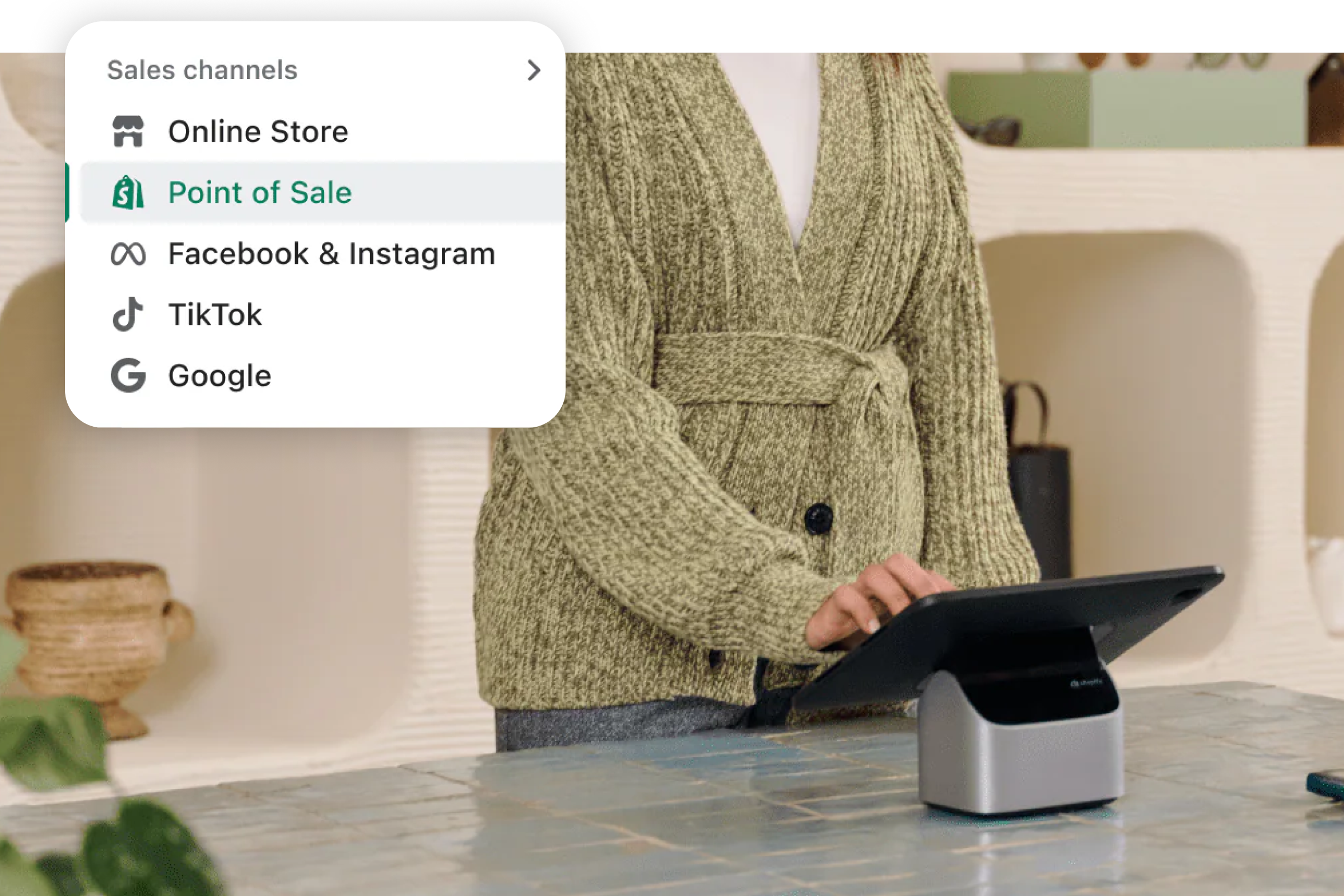
For many retailers, the Xstore era is ending. Not because Xstore stopped working, but because the cost and friction of keeping it working no longer match what modern commerce demands. Upgrade projects on a five-year clock. Months of IT effort to stay current. Specialized developer talent that is hard to hire. Separate systems for ecommerce and stores, stitched together by middleware no one loves.
The Xstore problem
Oracle Xstore has powered tier-1 specialty retailers for years, and its enterprise reputation is well earned. But it was built as a point-of-sale system that integrates with everything else, and your IT team owns the whole stack plus a recurring major-version upgrade cycle. Every few years you scope an expensive, disruptive upgrade: customizations re-ported, hardware refreshed, budget and staff tied up for months.
Why retailers move to Shopify POS
Shopify POS was built as one channel of a single commerce platform, where ecommerce, point of sale, and every other channel share the same customer, product, order, and inventory record natively. One platform, one ERP integration, one source of truth.
There is no upgrade hamster wheel either. Updates arrive automatically and are included in the subscription, so there are no upgrade projects, just a quick annual API update. Total cost of ownership is typically lower, since support is included, deployment costs are far lower, and customizations can be built by a broad talent pool rather than specialized Xstore developers. The vendor relationship is different too: direct 24×7 support, public versioned documentation, a transparent roadmap, and roughly 40 platform updates a day on a billion-dollar annual R&D investment.
What you gain with Shopify POS
Shopify POS can be stood up in weeks, where an equivalent Xstore implementation typically takes 12 to 18 months. It runs on consumer-grade iPads, iPhones, and Android devices with no specialized networking, so store complexity drops to “does the WiFi work.” It brings the largest app ecosystem in commerce, with more than 16,000 apps. And it is proven at scale: Shopify handles Black Friday for more than 3 million merchants and processed over $14.6 billion in sales across Black Friday and Cyber Monday 2025, with peak throughput above $5.1 million per minute. Brands like Vuori, Laura, Stüssy, and Fashionphile already run multi-store operations on it.
An honest comparison
The guide is candid about where Shopify POS is still maturing. Xstore runs fully offline for days, where Shopify POS handles outages of minutes to hours. Oracle’s country accelerators are stronger for fiscal compliance in parts of Europe and Latin America. And Shopify POS is not the right fit for full-service restaurants, hotels, merchants with more than 2,000 stores in one country, regions without Shopify Payments, or anyone needing a HIPAA-certified POS. The sweet spot is specialty retailers running 50 to 2,000 stores in supported regions, with $100 million to $5 billion in revenue.
CQL has delivered more large and enterprise Shopify POS projects than any other agency. If you are weighing the move, start with the our Oracle XStore to Shopify POS migration guide, or reach us at info@cqlcorp.com.