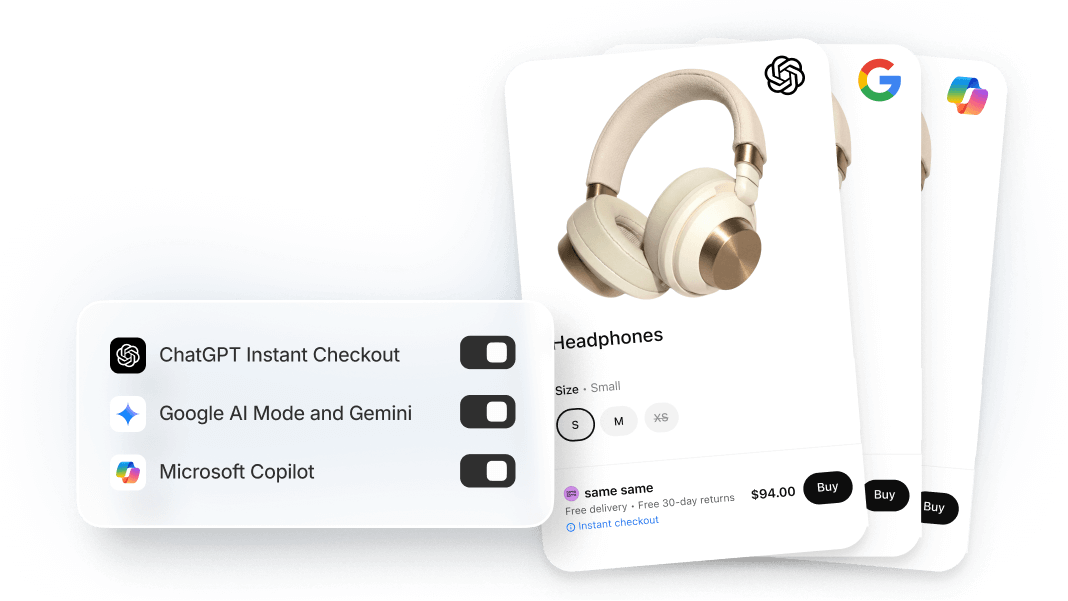
Most retailers think they already have unified commerce. They don’t. What they have is integration, which is a different thing entirely. Omnichannel is a customer-facing strategy: consistent experiences across touchpoints. Integration is what you do when you’ve accepted that you have too many systems and need them to talk to each other. Unified commerce is neither. It is the operating model underneath, where ecommerce, physical retail, inventory, customer data, and order management all run on a single platform and a single data model in real time. No nightly sync. No middleware. No reconciliation queue.
The gap is not semantic. Shopify’s own research found that 85% of mid-market retailers are already juggling multiple systems, and engineering teams at those brands routinely spend 12 to 18 months rolling out omnichannel capabilities that brands on a unified foundation do in about four months. The difference is not talent. It’s how much of that talent is tied up keeping the existing stack from breaking. Meanwhile, fragmented inventory visibility cost retailers $349 billion in lost sales in a single year, and cart abandonment sits at 70% globally, driven almost entirely by friction points that fragmented stacks make structurally harder to fix.
The business case for unification is no longer theoretical. Brands that connect every touchpoint on Shopify report an average 8.9% uplift in annual GMV. EY’s research found 22% lower total cost of ownership and 20% faster implementation versus the alternatives. CQL’s own assessments across 17 enterprise migrations to Shopify show TCO savings between $800K and $11M. Shop Pay alone lifts conversion up to 50% compared to guest checkout. These numbers compound fast when the underlying data architecture is right.
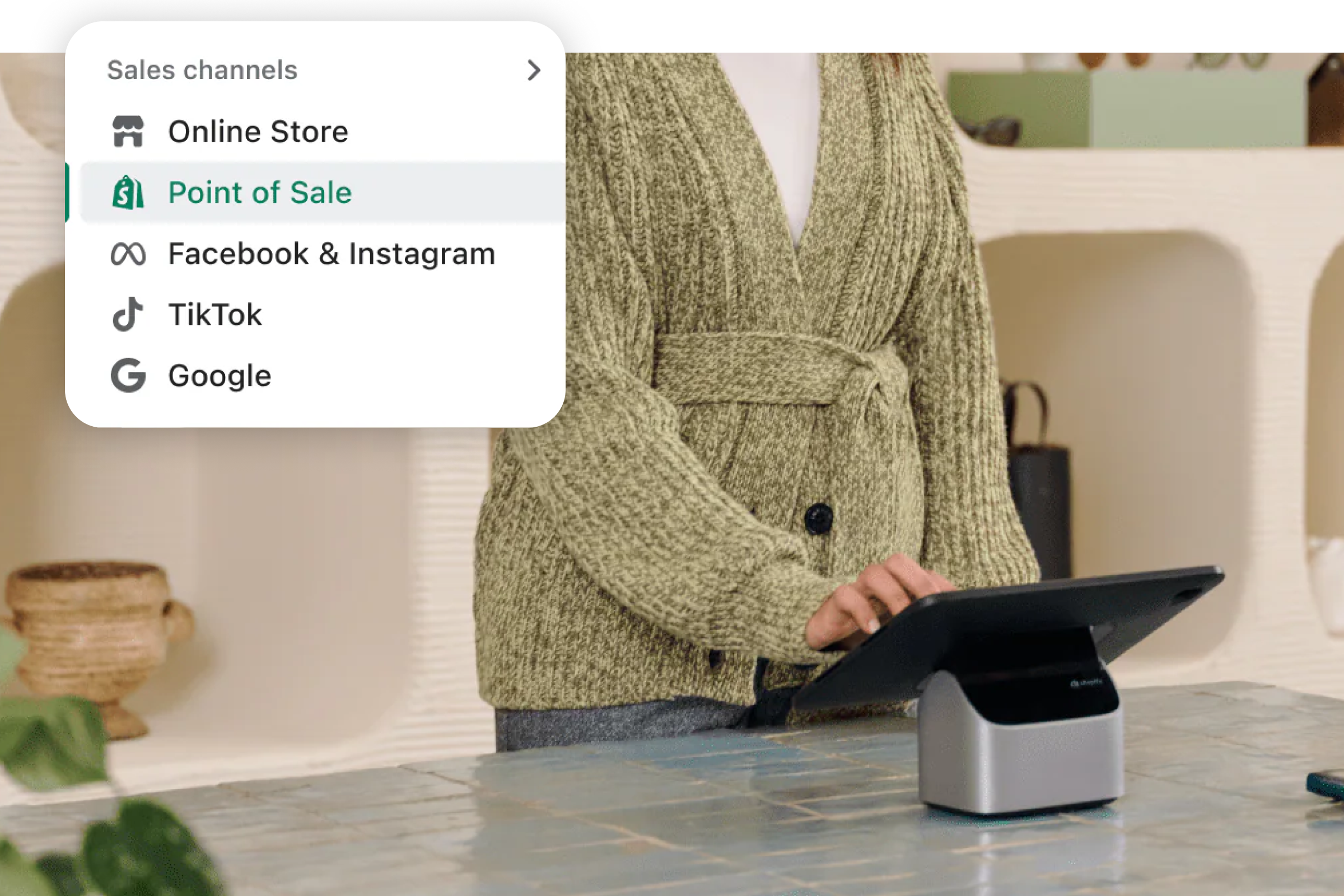
The part most ecommerce-first brands miss is that POS is where unification either succeeds or stalls. A retailer with a beautifully built Shopify storefront and a clean OMS integration is still fragmented if the POS runs on a separate system. In-store interactions are the richest source of customer intent in retail, and they are also the most commonly trapped. Product engagement, associate-influenced purchases, in-store consent, and return behavior all get captured at the register and then stranded there. When POS and ecommerce share the same data model, the customer who browses online, walks into the store, and converts in person stops looking like three different customers and becomes one.
The brands doing unified commerce well on Shopify with CQL span categories and scale.
- Vestique grew sales 18% in year one and 13% in year two after migrating to a unified Shopify foundation, with physical stores fulfilling online orders through the pandemic.
- Magnolia doubled POS capacity overnight to handle a major event and now welcomes over a million in-store visitors per year.
- Psycho Bunny scaled from seven employees to nearly 1,000 and from a single DTC operation to more than 90 stores across four-plus continents, all on the same platform.
- Simon Pearce eliminated POS outages and consolidated three separate systems into one.
- Vuori extended Shopify POS with custom inbound transfer workflows synced directly to Microsoft Dynamics across 100-plus stores in 15-plus countries.
- Stüssy brought AI-driven inventory forecasting from autone directly into the POS so store teams make replenishment decisions in the flow of work.
- Chris Cote’s Golf Shop cut custom order processing time in half and saved more than 10 hours per week through automation after moving to Shopify.
Different brands, different categories, same pattern: unification removes the overhead that was slowing everything else down.
Our Unified Commerce Guide goes deeper on all of it: what unified commerce actually is versus what most retailers think they have, the measurable case for making the shift, how POS fits into the architecture, and how enterprise brands are operationalizing it today with Shopify. If your store and your site are still running on separate systems, reading the Unified Commerce Guide is a good place to start.
Unified Commerce FAQs
What is unified commerce?
Unified commerce is a retail operating model where every commerce function, including ecommerce, physical retail, inventory, customer data, and order management, runs on a single platform and a single shared data model in real time. It is not the same as omnichannel, which is a customer-facing strategy, and it is not the same as integration, which connects separate systems without eliminating them. The practical test is simple: if your customer data lives in more than one place and requires any kind of sync to stay current, you have integration, not unification. Unified commerce means there is nothing to sync because there is only one system.
Why is unified commerce important?
Fragmentation has a real cost. Shopify’s research coined the term “fragmentation tax” to describe what retailers pay to operate disconnected systems: maintenance overhead, middleware costs, third-party support fees, and engineering time spent keeping the stack from breaking rather than building new capabilities. Beyond operational cost, fragmentation creates friction for customers at every touchpoint, inventory discrepancies, pricing inconsistencies, disconnected loyalty and returns, and a checkout experience that leaks revenue. McKinsey research finds that 71% of consumers expect personalization and 76% become frustrated when they don’t receive it. Personalization at that level is not possible when customer data is spread across five systems.
Why is POS needed for unified commerce?
Most retailers focus their unification efforts on ecommerce and overlook the store, which is where the richest customer data actually lives. In-store interactions capture product engagement, associate-influenced purchases, fit decisions, gift-giving behavior, in-person consent, and return patterns. Without a unified POS, all of that data gets captured at the register and stranded there, invisible to the ecommerce platform, the marketing stack, and the customer profile. When POS and ecommerce share the same data model, the customer who browses online, comes into the store, and completes the purchase in person becomes a single profile rather than three disconnected records. That is when personalization, loyalty, BOPIS, ship-from-store, and cross-channel returns can actually work as intended rather than as workarounds.
What are some examples of brands successfully leveraging unified commerce?
Several enterprise brands have made the shift to unified commerce on Shopify with CQL, with measurable results across categories and store counts. Vestique, a Southeast women’s apparel boutique, grew sales 18% in year one and 13% in year two after unifying ecommerce and POS, and used store inventory to fulfill online orders during pandemic closures. Magnolia, the home and lifestyle brand, doubled POS capacity overnight for a major event and now serves over a million in-store visitors annually. Psycho Bunny scaled from seven employees to nearly 1,000 and expanded from a single DTC business to more than 90 stores across four-plus continents on the same Shopify foundation. Simon Pearce eliminated POS outages entirely and consolidated three separate systems into one. Vuori extended Shopify POS with custom inventory receiving workflows connected to Microsoft Dynamics across 100-plus stores in 15-plus countries. Stüssy integrated AI-driven inventory forecasting directly into POS so store teams can act on replenishment data without switching systems. Chris Cote’s Golf Shop cut custom order processing time in half and reclaimed more than 10 hours per week through workflow automation after moving to Shopify.
What are the cost savings from unified commerce?
The savings show up at multiple levels. An independent EY study across nearly 4,000 organizations found that unified commerce on Shopify delivers 22% lower overall POS total cost of ownership, 25% lower maintenance costs, 27% lower middleware costs, and 89% lower third-party support costs compared to fragmented stacks. Implementation is also 20% faster. Shopify POS TCO modeling completed by an external consulting firm found 22% lower retail technology costs and 11% lower implementation costs versus alternatives. CQL’s own work across 17 enterprise migration assessments shows TCO savings ranging from $800K to $11M depending on the size and complexity of the organization. The savings compound over time because every new capability on a unified platform does not require rebuilding integrations to get there.
How much can a brand grow with unified commerce?
The growth numbers are consistent across independent research and real brand outcomes. Brands that connect every touchpoint on Shopify report an average 8.9% uplift in annual GMV. Retailers using Shopify POS alongside Shopify ecommerce have seen quarterly omnichannel sales growth of 150% or more year over year. Shop Pay lifts checkout conversion up to 50% compared to guest checkout. AI-driven personalization, which depends on unified first-party data, is benchmarked by McKinsey at a 5 to 15% revenue lift, 10 to 30% improvement in marketing ROI, and up to 50% reduction in customer acquisition costs. At the brand level, Vestique’s 18% and 13% year-over-year sales growth after unification reflects what those numbers look like in practice. The ceiling is not fixed, but the floor is consistently higher than what fragmented architectures can deliver.
How does AI fit into unified commerce?
AI in retail is only as good as the data it can access. Models trained on partial customer histories miss intent. Forecasting tools fed stale inventory data make bad calls. Generative tools cannot personalize content they cannot see. The promise of AI in retail is real, but it is gated by data architecture, not by model sophistication. Unified commerce solves the underlying problem: when ecommerce, POS, and marketing share the same customer profile, AI recommendations stop being generic and start reflecting what a customer has actually done across every channel. Shopify’s native AI tools, including Shopify Magic and Sidekick, are built to run on Shopify’s unified data model, which means retailers already on a unified platform can access those capabilities immediately. Retailers still integrating their way out of fragmentation will get there eventually, but later than everyone else.
How do I get started with unified commerce?
The first step is an honest assessment of where fragmentation exists in your current stack. For most retailers, the largest gaps are between ecommerce and POS, and between customer data held in the commerce platform versus what lives in the marketing and loyalty stack. CQL offers a Shopify Platform Validation for brands evaluating whether Shopify is the right foundation, and works with merchants at every stage from initial scoping through full implementation, customization, and ongoing support. To go deeper on the framework, the data, and how other brands have made the shift, the full Unified Commerce Guide is a practical starting point.