NetSuite has announced end-of-life for both NetSuite POS and NetSuite SuiteCommerce InStore (SCIS) in January 2029. For retailers running either platform, that date may feel distant, but the window to act is shorter than it looks. Once a vendor announces a sunset, investment in that product effectively stops. Bug fixes slow down or disappear. And the time required to evaluate, scope, and migrate a retail POS, especially one tied to an ERP and spread across multiple locations, is significant. January 2029 is not a finish line. It is a hard stop.
The practical target date is much sooner. CQL recommends that merchants be live on a new system by May 2027 at the latest. That timeline accounts for the complexity of most mid-market implementations, keeps the cutover away from Q4 when nobody wants to touch their POS, and leaves a real buffer before the EOL date. Implementation timelines vary by store count and complexity, but most merchants fall in the 3 to 7 month range. That means scoping and vendor selection need to start now, not next year.
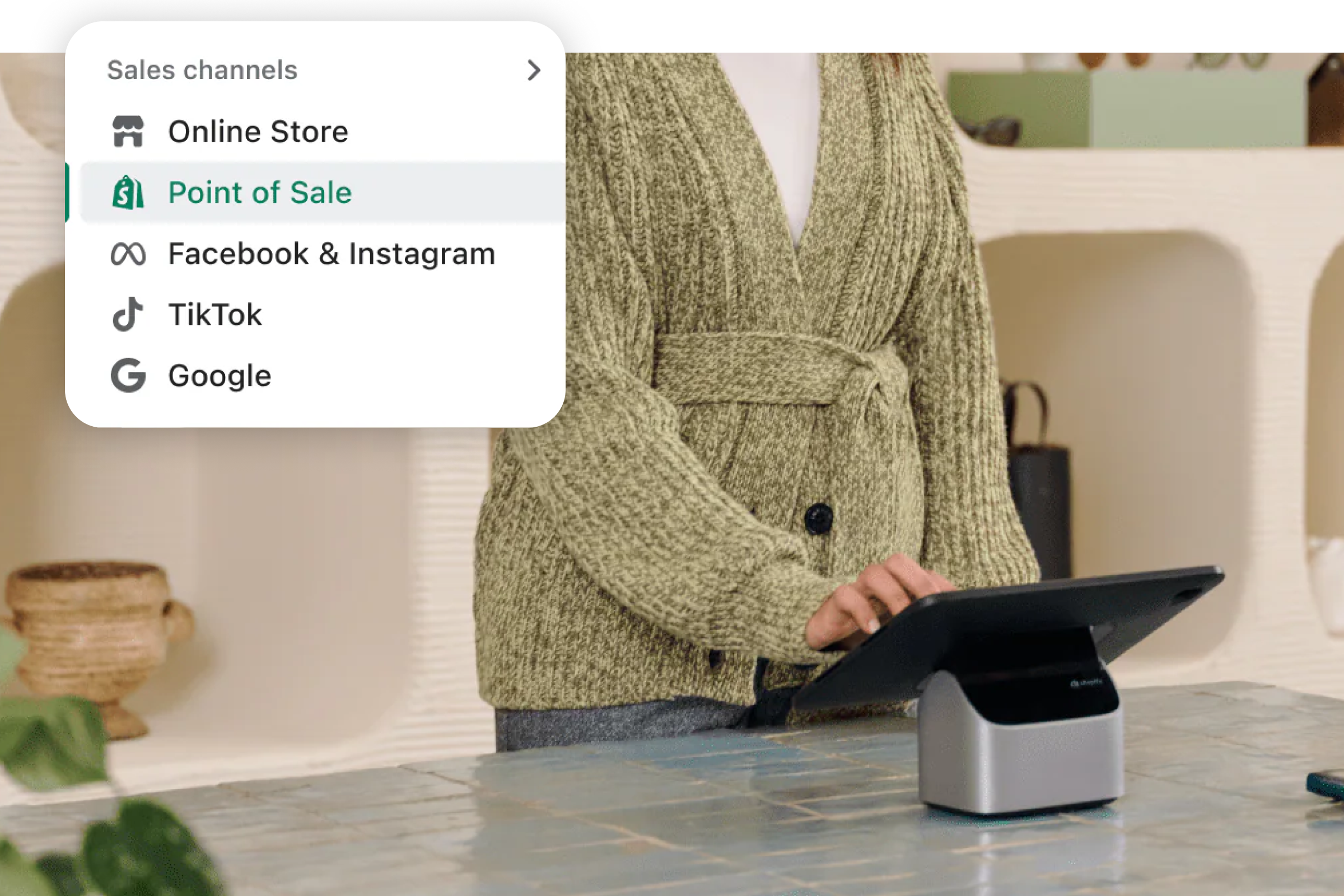
For many NetSuite POS and SCIS merchants, Shopify POS is the natural next step. If you are already on Shopify for ecommerce, the path is especially clean. POS and ecommerce run on the same data model in Shopify. Orders, customers, inventory, and gift cards are all shared natively, with no sync layer between channels. Your ERP integration carries over with minimal rework. Your team already knows the admin. There is no Frankensteining required.
Even for merchants not yet on Shopify ecommerce, Shopify POS stands out for the breadth of its integrations, the speed of hardware deployment, and the scale at which it operates. Shopify invests over $1 billion annually in R&D and pushes roughly 40 platform updates per day. It is one of the fastest-growing POS systems on the market. The infrastructure is not standing still while NetSuite’s is.
That said, Shopify POS is not the right fit for every use case. Full-service restaurants, merchants in regions without Shopify Payments support, and brands with complex serialization or pricing requirements should evaluate carefully. The migration itself also comes with real considerations: returns handling across legacy transactions, gift card import constraints, and ERP integration rebuilds that need to be clearly scoped before the project starts.
CQL has completed more enterprise Shopify POS deployments than any other agency, and we created a new guide specifically for NetSuite POS and SCIS merchants figuring out what comes next. It covers migration timing, platform fit criteria, implementation considerations, and what the transition actually looks like across ERP, payments, data, and hardware. Request your copy of the NetSuite POS to Shopify POS Migration Guide today.